

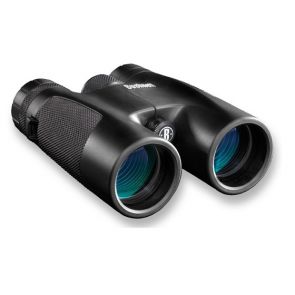
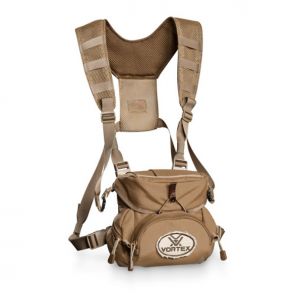
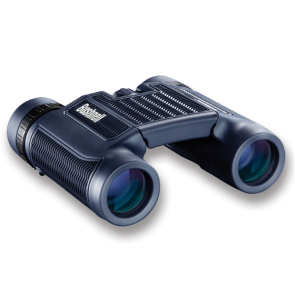
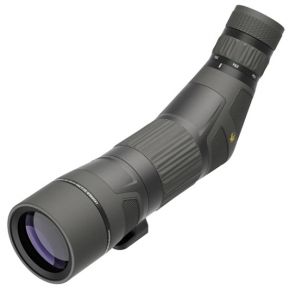
What
type of binoculars do I need?
by: OZScopes - The Australian Telescope Experts
Birding
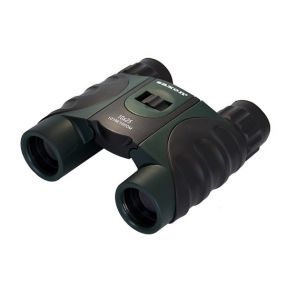
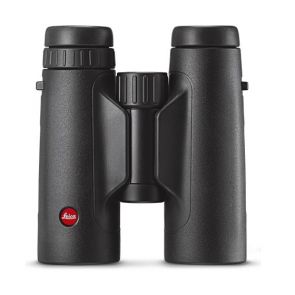
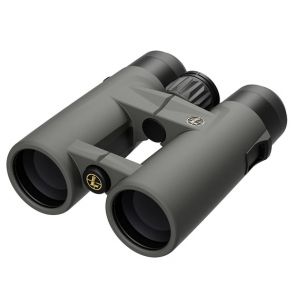
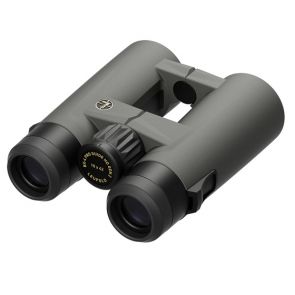
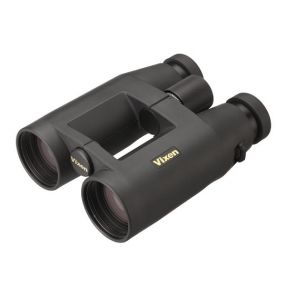
A good pair of birding binoculars should have high light gathering capacity and a wide field of view. Therefore, magnification should take a backseat to objective lens size. Larger objective lens size will ensure reliable performance in all light conditions from dawn to dusk. Larger objective lenses also increase your field of view, allowing you to spot birds more easily. Objective lenses that are too large however, result in bulky binoculars and thus unstable images. Therefore, balance is the key. As a guide, an 8 x 40 binoculars provide the right balance of size, power and light gathering capacity. Binoculars at or near this size will provide the best birding experience.
Check out Ozscopes recommended range of birding binoculars:
- Barska 10x25 Lucid View Binoculars
- Barska 12x25 Lucid View Binoculars
- Barska 12x32 Lucid View Binoculars
- Barska 10x50 Wide Angle Focus Free Binoculars
- Celestron UpClose 10-30x50 - Porro Binocular
Hunting
Hunters have to consider the tradeoffs when it comes to choosing their binoculars. While many hunters desire a binoculars that is compact and lightweight, that means smaller objective lenses, but smaller objective lenses means less light gathering capacity and dimmer images. Look for objective lenses that measure 40 or 42 mm. These will provide reasonably bright images even in the low light conditions of dawn and dusk. For power, binoculars with 8x magnification provide a wide field of view which is ideal for surveying surroundings. 10x magnification may be a better option if you require a view of longer distances when hunting. Keep in mind that binoculars at this magnification require steady hand. In this case, image stabilization may be a
feature worth considering.
Hunting binoculars also need to be durable. Look for water resistant or water proof options. Also, roof prism binoculars are generally lighter and more durable than traditional porro prism binoculars.
Check out Ozscopes recommended range of hunting binoculars:
Travel
and hiking
For travel and hiking, binoculars should be compact, lightweight and durable. Also, consider the binoculars’ casing. They should be rugged, hardwearing and water resistant. Generally, binoculars with 7x or 8x magnification is sufficient for hiking and travelling. Anything greater will result in unstable images. Objective lenses of 25 to 35 mm will keep binoculars relatively compact while maintaining a sufficient level of light gathering capacity. If you’re looking for binoculars that will perform in dawn and dusk as well, you would want objective lenses within the 40 – 50 mm range. But remember, the larger the objective lens, the bulkier the binoculars would be.
Check out Ozscopes recommended range of travel and hiking binoculars:
Spectator and sporting
Since most spectator and sporting events are performed in full daylight or under stadium or arena lights, sports binoculars light gathering capacity is not as important for birding and hunting. That means you can enjoy the benefits of compact, lightweight binoculars. Generally, binoculars with 6 – 8 x magnification work well for spectator and sporting events. Keep in mind that as magnification increases, field of view narrows. If you want to take in the action along the length of the field or court, a wide field of view is essential.
Check out Ozscopes recommended range of spectator and sporting binoculars:
Astronomy
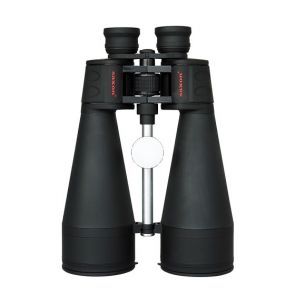
With astronomy binoculars you would want to go big. Binoculars for astronomy require an objective lens of 50mm or more for good light gathering capacity, which is critical for observing the nightsky. Since astronomy binoculars are large, you should consider a tripod for comfortable, extended viewing. Not only does a tripod help hold these heavy binoculars, but it will also eliminate the shaky images caused by magnifications 10x and greater.
Check out Ozscopes recommended range of astronomy binoculars:
- Celestron SkyMaster 15x70 Astronomy Binoculars
- Celestron SkyMaster 25x70 Astronomy Binoculars
- Celestron SkyMaster 20x80 Astronomy Binoculars
You may also want to consider buying a tripod and tripod adaptor(to attach the tripod to the binoculars):
- SAXON HVT11 Tripod for Binoculars, Telescopes and Cameras
- SAXON HVT10 Heavy Duty Tripod for Binoculars, Cameras and Spotting Scopes
- SAXON Tripod Adaptor for Binoculars
Boating
Marine binoculars need to be rugged. With such close proximity to waters, you’ll need to protect your binoculars by selecting water proof binoculars with tight seals nitrogen filled tube esemblies. For marine applications, choose binoculars with the light gathering capacity of larger objective lenses over magnification power. 40 – 50mm objective lenses will yield bright images in normal light conditions. 7x magnification is a popular choice for boating and marine use. Since lower power delivers stable images. For even steadier images, consider image stabilizer binoculars to help compensate for rough waters.
Check out Ozscopes recommended range of boating binoculars:
- Barska 10x42 Storm EX Binoculars
- Steiner Navigator 7x50 Binoculars with Compass
- Bushnell H2O Series 7 X 50 Waterproof Fogproof Binoculars